

Foundations
The few ideas everything else is built on.
Anarcho-capitalism, explained.
Courts, security, even money can be provided by people and businesses who compete for your trust instead of forcing you to pay.
What the name means
Volun + Threads: voluntary threads that hold people together only for as long as both sides want. And threads you can wear.
Learn more →Each article follows from the one before it. Accept the first, and the rest is a matter of being consistent.
You own your body and your life. No one else, including a government, has a higher claim to it.
Read the guide →Nobody may start force or fraud against you, and you may not start it against anyone else.
Read the guide →What you make or acquire peacefully is yours. Taking it without consent is aggression, whoever does it.
Read the guide →Every service, from courts to money, must be offered and paid for by consent. That is a free market.
Read the guide →Accept the first, and the free market follows.
Ten statements · two minutes
Agree or disagree with ten statements about taxes, money, courts and drugs. Find out whether you are a classical liberal, a minarchist, an anarcho-capitalist or an agorist.
Try it right here 1 / 3
1. Taxation is a form of theft.
2. The government should run the healthcare system.
3. Most disputes could be settled by private courts and arbitration instead of state courts.
So far you lean towards:
Finish the quiz: 7 statements left →Each guide takes five to eight minutes and ends with three questions to check yourself. Read them in order, or start with whatever interests you most.
All guides →The few ideas everything else is built on.
What the state is, how it pays for itself, and how people have lived without one.
How prices and money work, and why sound money matters.
Law, security, public services and how to get there from here.
New to the words? Read the glossary: 96 terms →
Newsletter
New guides, articles and designs, once in a while. No spam, we do not track opens or clicks, unsubscribe with one click.
Greetings from a free society. Write your e-mail on the address line and we will keep you posted.
Every idea, book and thinker on this site, and how they link to each other. Drag, zoom and click to explore.
Drag to move · scroll or pinch to zoom · click a note to open it
Pick your country. We count the taxes on your work, plus an estimate of the tax on what you spend, as a share of the year.
– days a year
You start working for yourself on –.
Your taxes
Start with 100 to see the shares, or enter what you pay the state in a year. For Czechia it is filled in from the calculator above.
Your money is melting
Nobody in Czechia voted to take 53% of their savings. Inflation did it quietly, year by year. That is why sound money matters.
Money without a master
 Why Bitcoin matters
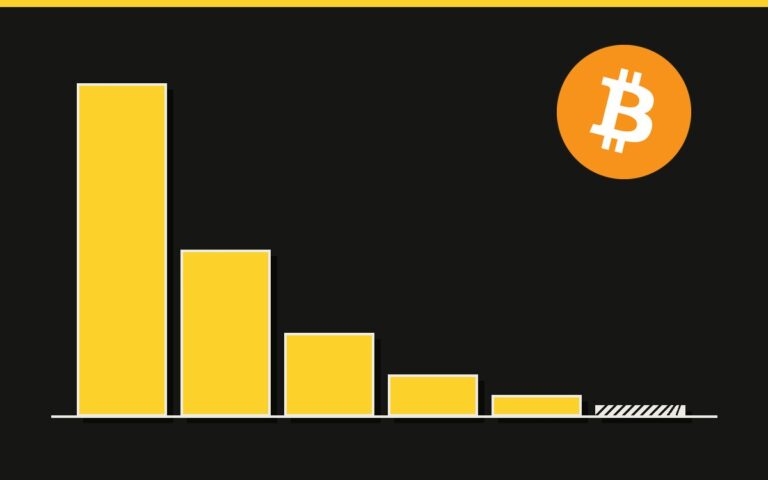
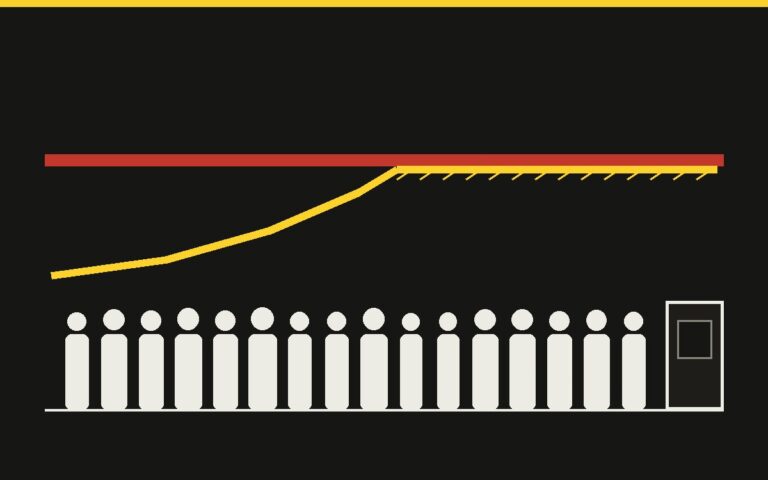
Governments fund themselves by taxing and by printing money. Bitcoin is money with a fixed supply that no central bank can inflate and no state can freeze. For anarcho-capitalists it is the first working proof that a core state function can be replaced by voluntary code.
Running almost without a break for 6,509 days No holidays, no bailouts, no closing time.
Block 0 · 3 Jan 2009
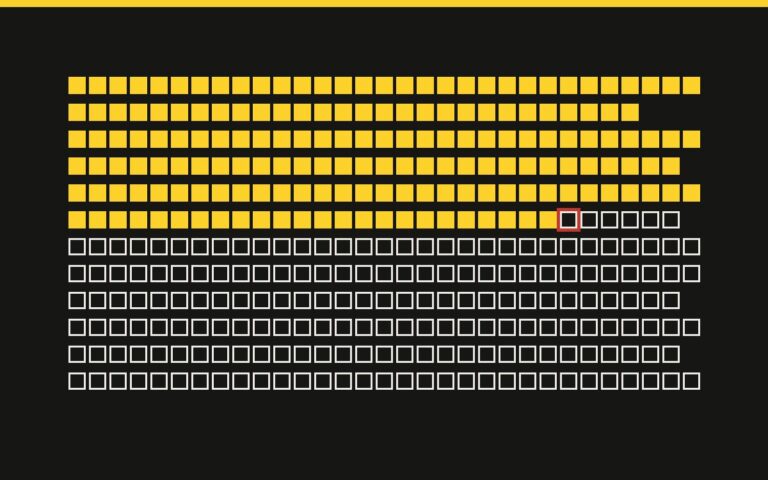
Mined so far≈ 20,103,209
95.7% of all bitcoin that will ever exist*** No refunds from the Fed ***
Height, coins mined and halving are estimates from the clock. Price: CoinGecko, 30. 10. 2026 19:37.
“The State is the great fiction by which everyone tries to live at the expense of everyone else.”
The questions everyone asks first, answered briefly. Each links to a longer reply.
All questions →The same people who build them now: construction firms. They would be paid by owners, developers, toll operators or local associations instead of from taxes.
Full answer →Defense and courts compete and must keep customers. A firm that starts using force loses clients, partners and insurers, while a state's monopoly faces no such check.
Full answer →Charity, mutual aid societies and cheaper goods from freer markets. Before the welfare state, mutual aid groups insured millions of workers.
Full answer →From one-evening classics to thousand-page treatises. Pull a book off the shelf to read what it is about.
Full reading list →The shelf goes on: drag it, swipe it or use the arrows